TurfEducation 2025 in Dubai: six days of professional dialogue, technology, and international cooperation
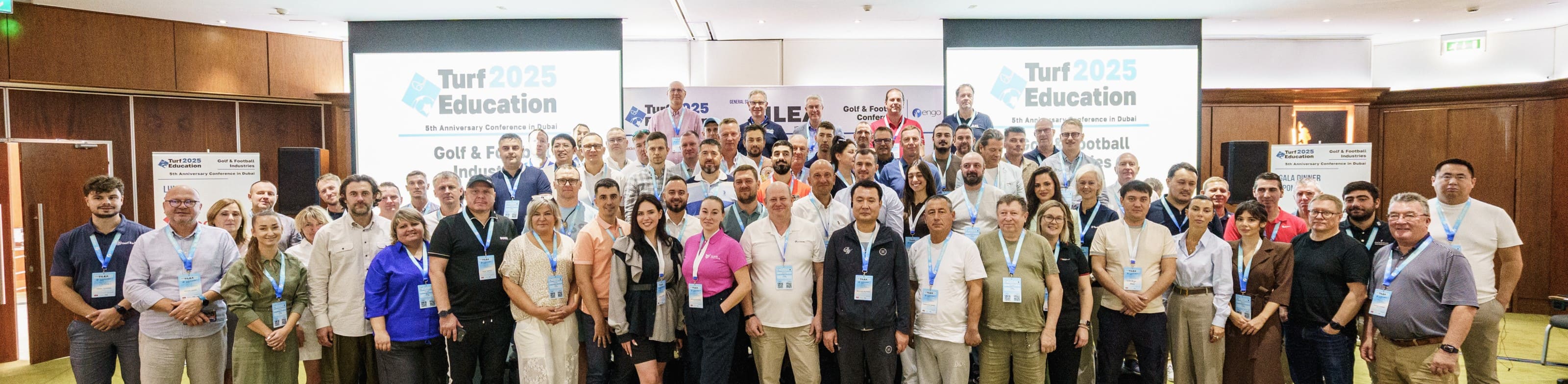
From November 11 to 16, Dubai hosted the fifth anniversary TurfEducation 2025 conference — an event that, over the years, has become a hub for professionals from the golf sector, the football industry, and the field of sports infrastructure.


Location and Format
This year, the ENGO-designed programme brought together educational sessions, technology demonstrations, strategic roundtables, sports tournaments, and large-scale evening events, creating an atmosphere of professional exchange and networking.
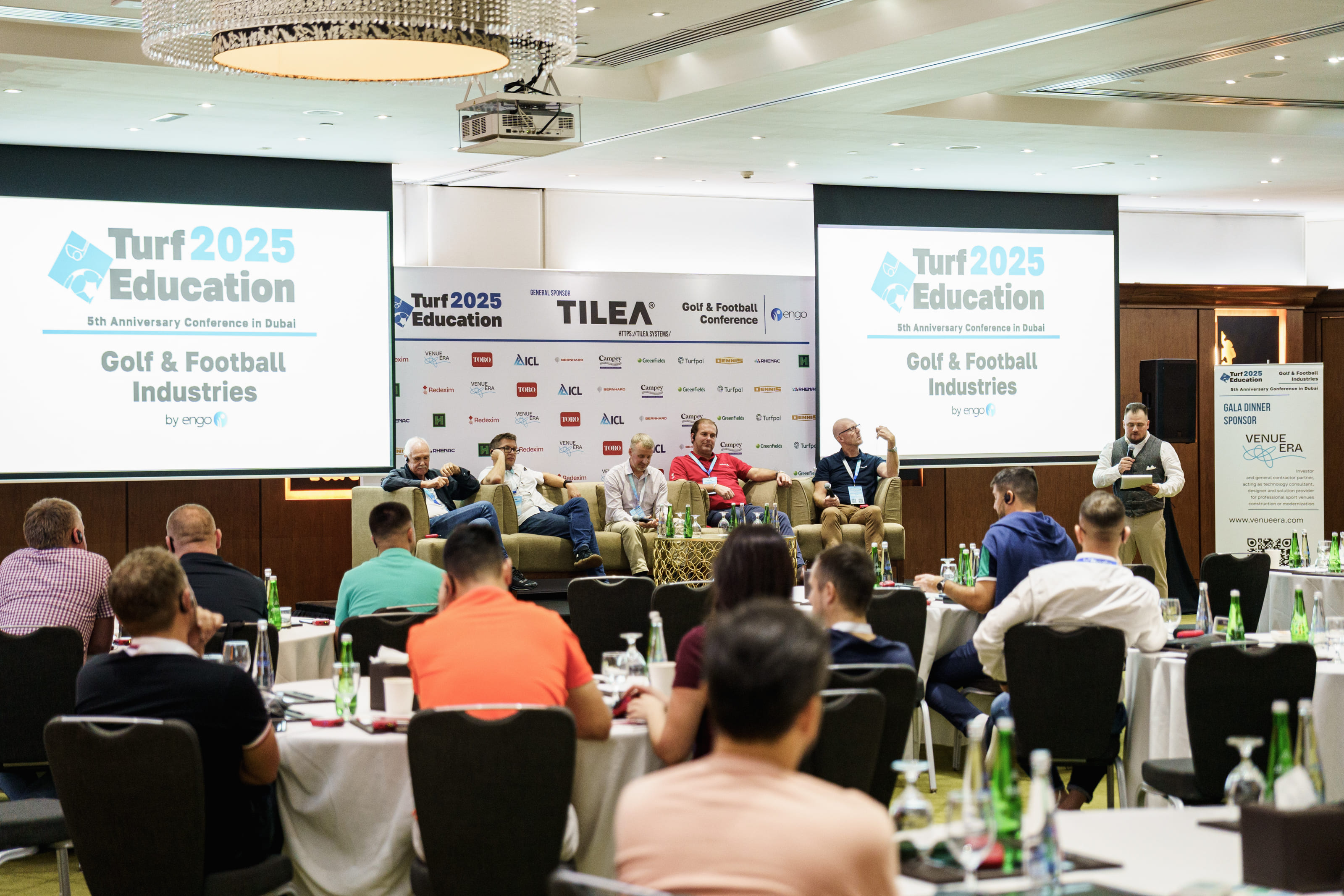
The event was held at JA Resort Hotel in Jebel Ali — a resort complex that combines well-developed business infrastructure with the atmosphere of a secluded retreat. The resort’s setting made it possible to seamlessly integrate conference halls, demonstration areas, sports activities, and evening events into a single, coherent programme.
Participants were immersed in a shared professional environment throughout the day — from morning presentations to evening discussions in restaurants and on open-air terraces.
TurfEducation 2025 is a six-day event that helps shape the professional agenda for the year.
Opening and Creating a Professional Environment
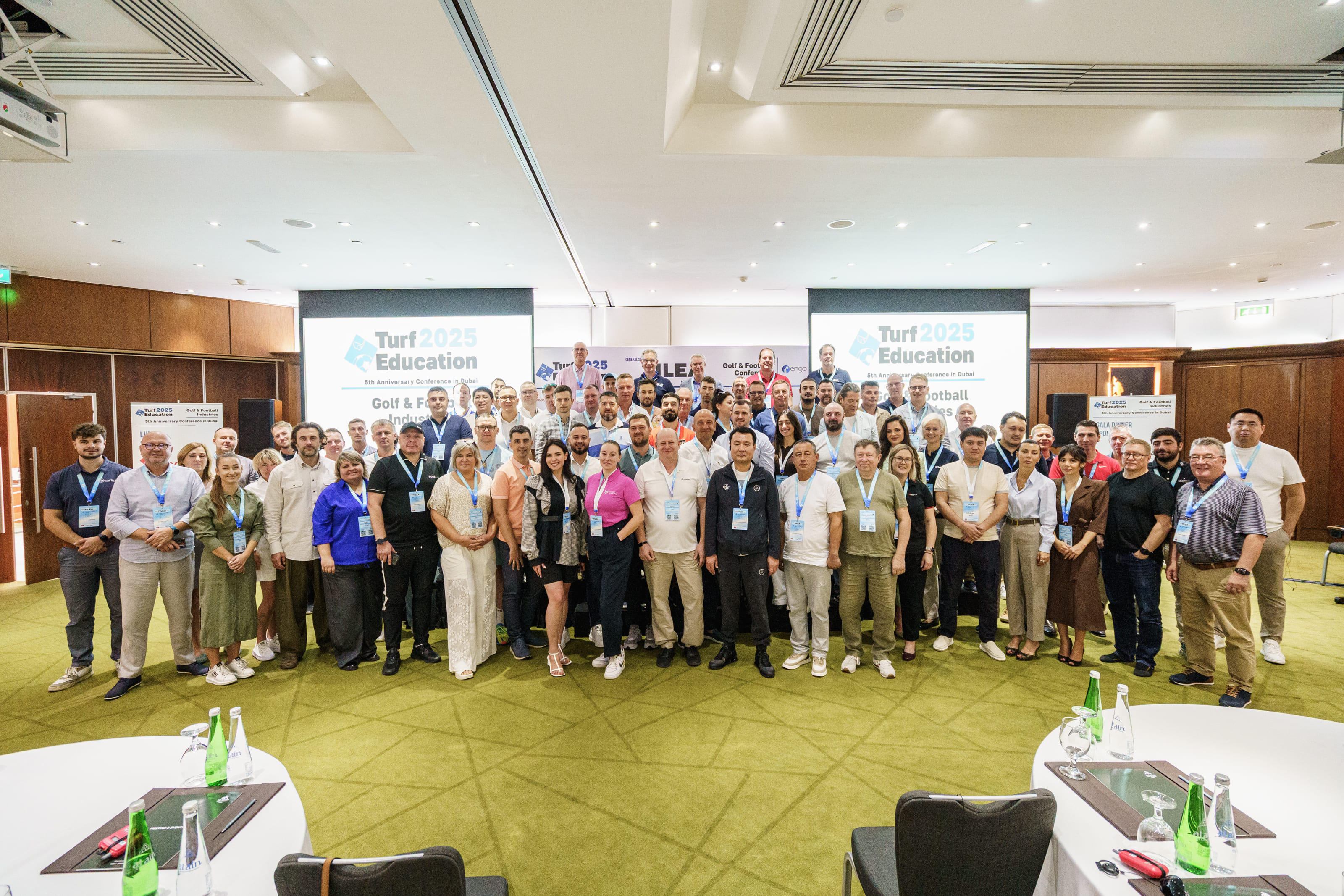
Already on the first evening, it became clear that this anniversary edition of TurfEducation had brought together an audience focused on strategic dialogue. Representatives of golf clubs, stadium managers, architects, engineers, agronomists, and technology suppliers came together in a shared professional context.
Technology, Data, and Management as the Foundation of Sustainability
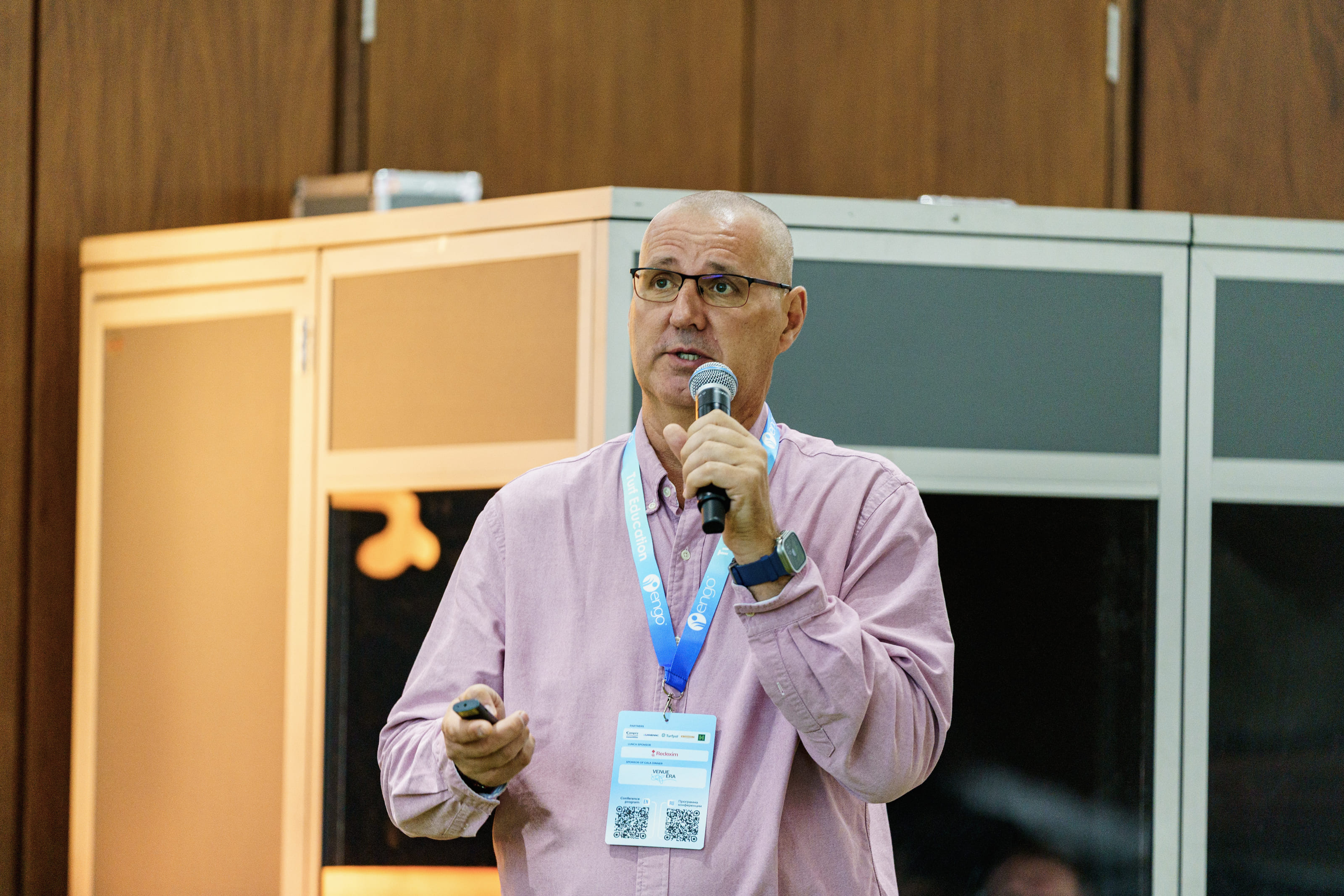
The official opening of the conference took place on November 12. The welcome address by Norbert Zatko, CEO of ENGO Group, set a strategic tone for the event: the sports infrastructure industry is undergoing a profound transformation, with efficiency, sustainability, and sound resource management becoming key priorities.
The first day featured a strong focus on technology and management topics.
Roger Leurs of ICL Fertilizers focused in detail on the use of seaweed in sports turf maintenance programmes. Biological solutions are becoming increasingly important as environmental standards tighten and the need to reduce chemical inputs grows.
Craig Haldane of Shura Links drew considerable attention with his presentation on leadership and team culture. In a highly technological industry, the human factor remains critical: staff engagement, the effective distribution of responsibilities, and the development of a resilient corporate culture all have a direct impact on the quality of the final result.
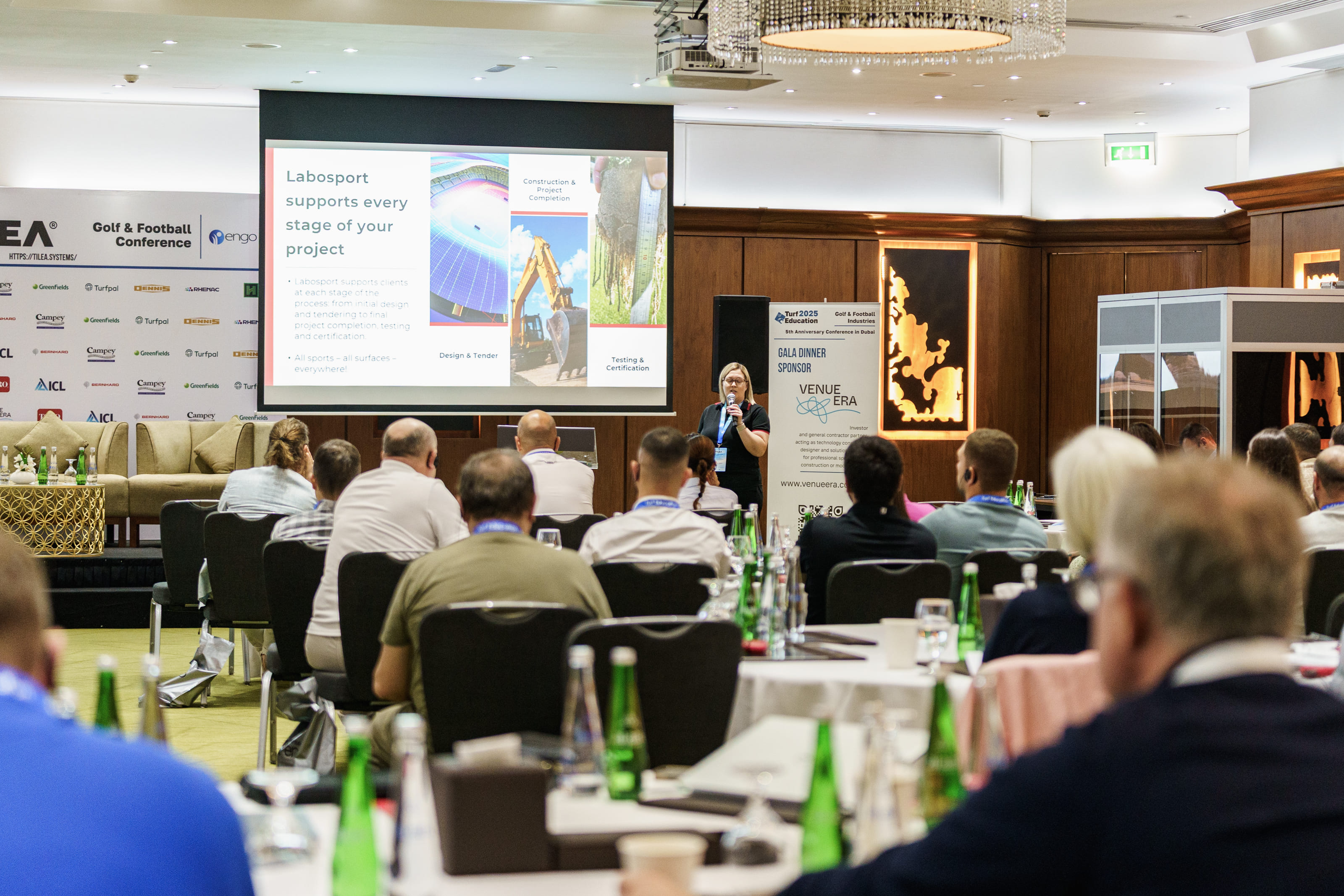
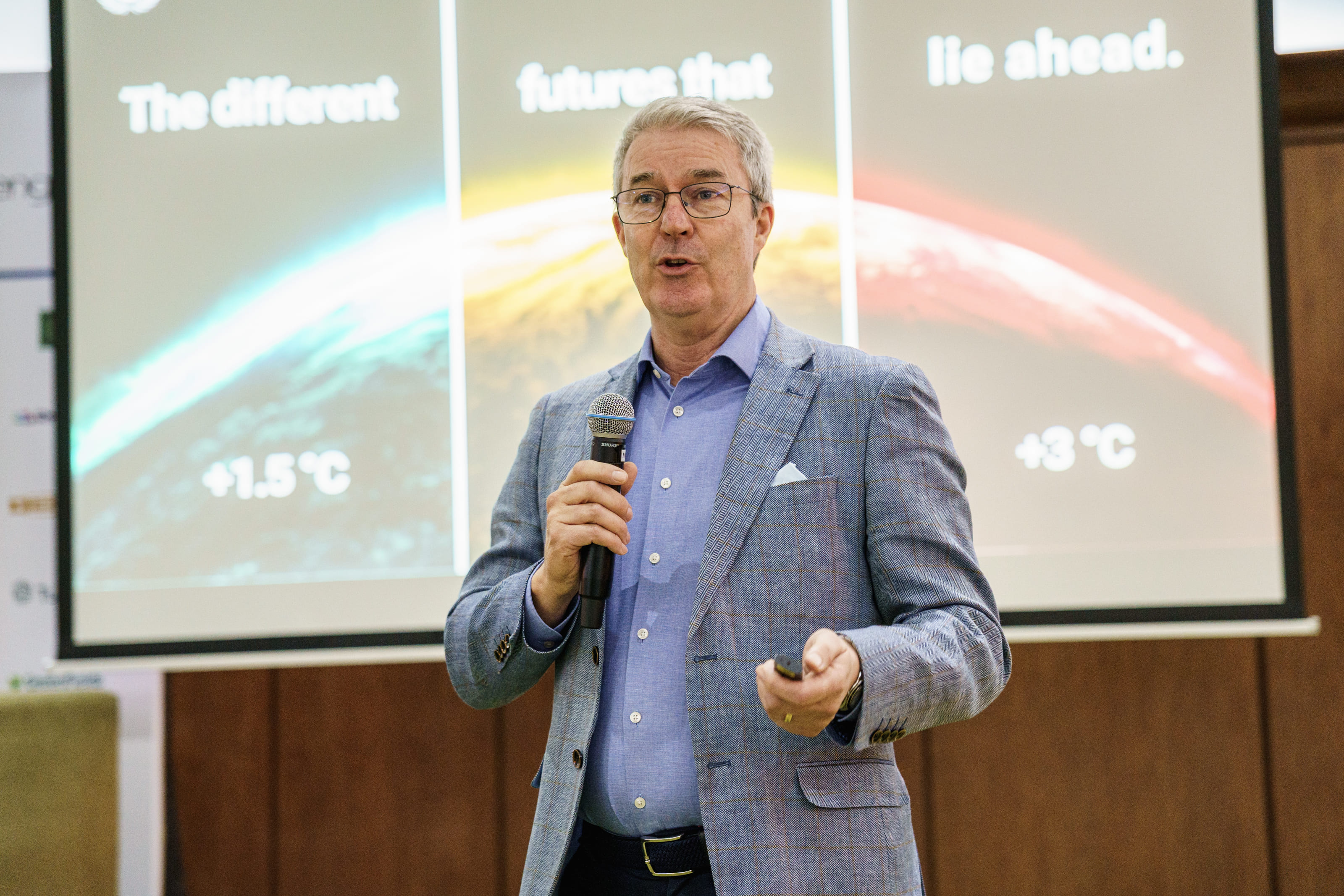
The technology block continued with presentations by Atle Revheim Hansen of Turfpal on data-based digital turf condition assessment; Andy Brown of Toro on the rational use of modern machinery and automation systems; and Curtis Allen of Redexim, who presented the evolution of equipment in the context of changing requirements for sports field operations.
Fabian Kolodziej of TurfRad demonstrated the potential of soil moisture monitoring and irrigation management using precise measurements. Data-driven solutions became one of the key themes of the entire conference.
Steven Nixon of Bernhard presented the SUB AIR subsurface ventilation system — a technology that enables control of root-zone conditions and the microclimate within the growing area.
After lunch, Tony Booth of Signature Flooring raised the issue of maximising the use of sports infrastructure as an asset. Given the high cost of stadium construction and operation, usage efficiency is becoming a strategic priority.
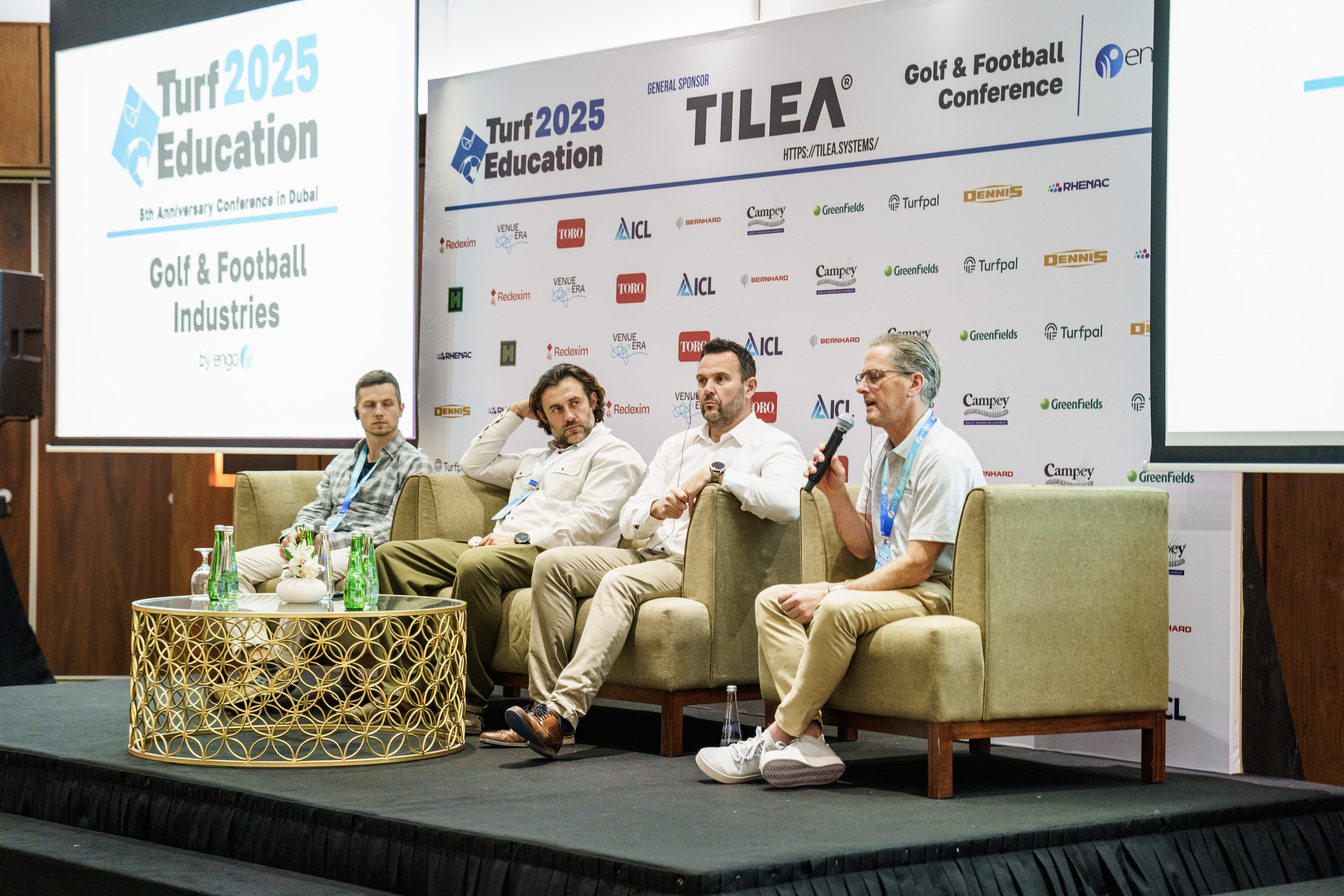
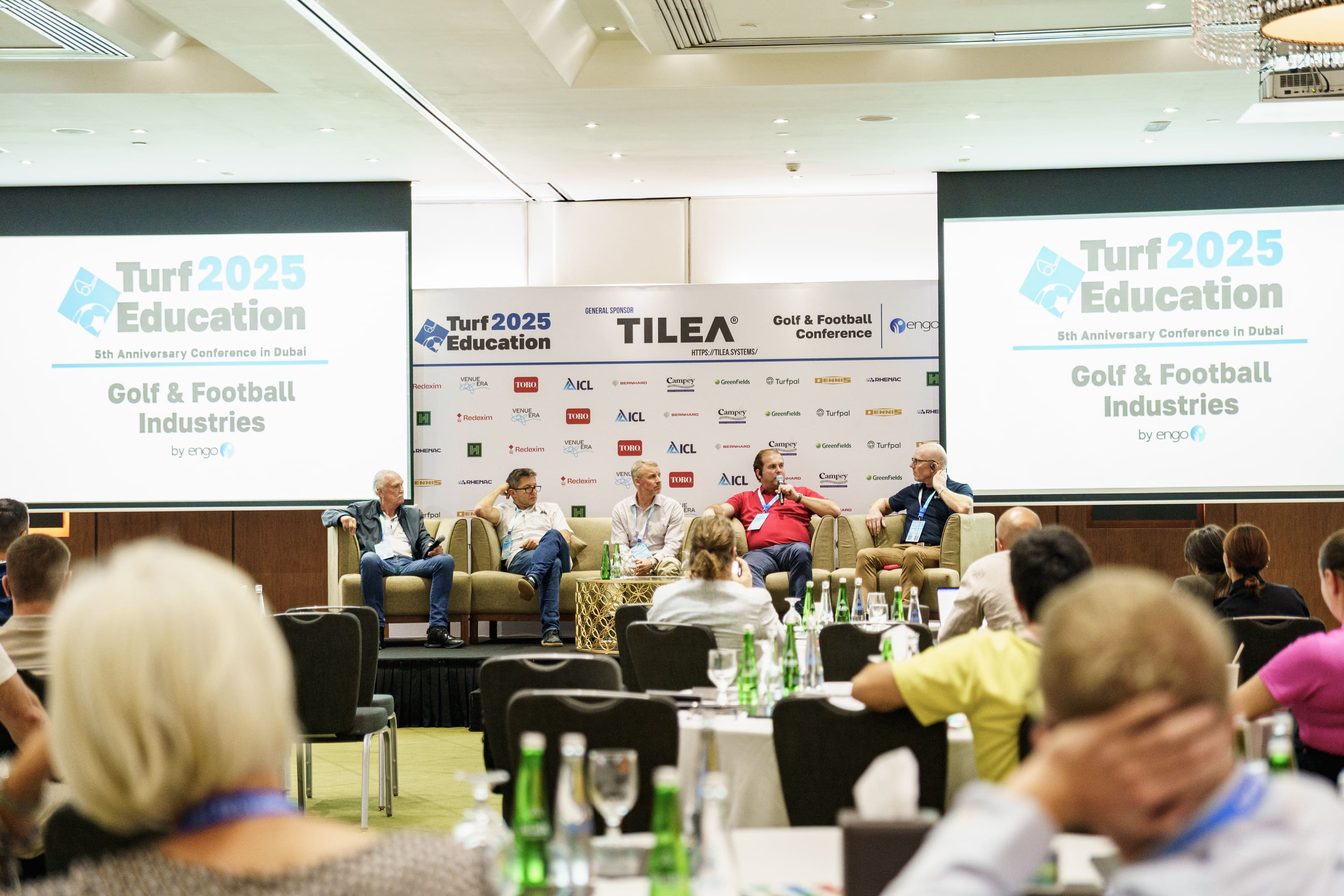
The roundtable “The Stadium as a Multifunctional Venue” was a natural continuation of the discussion. Participants discussed economic models, the balance between the sporting and commercial functions of arenas, turf protection during large-scale events, and the long-term sustainability of facilities.
The key takeaway from the first day was that modern sports infrastructure is a synthesis of engineering, agronomy, digital solutions, and strategic management.
Design, Regeneration, and Sustainable Operating Models
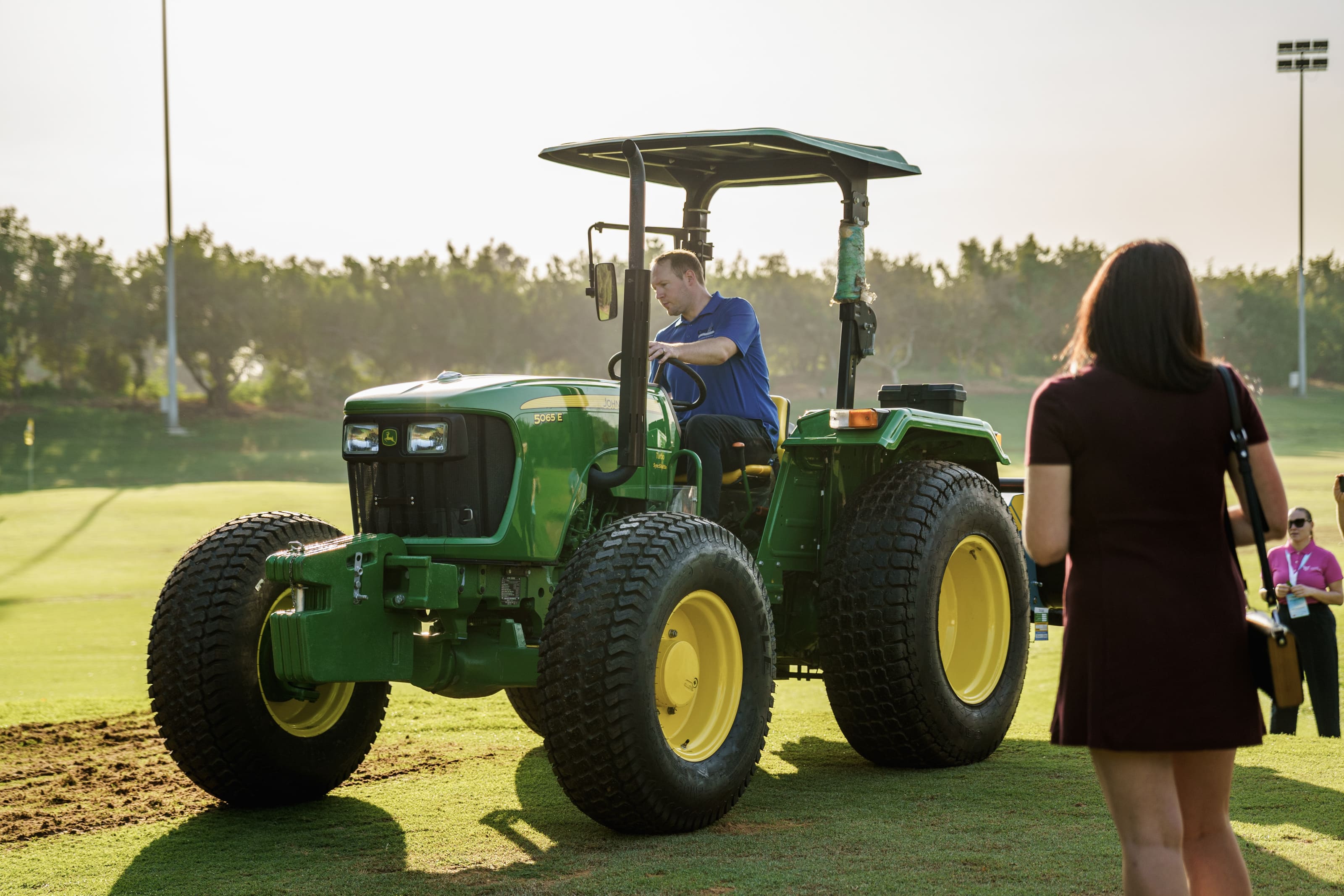
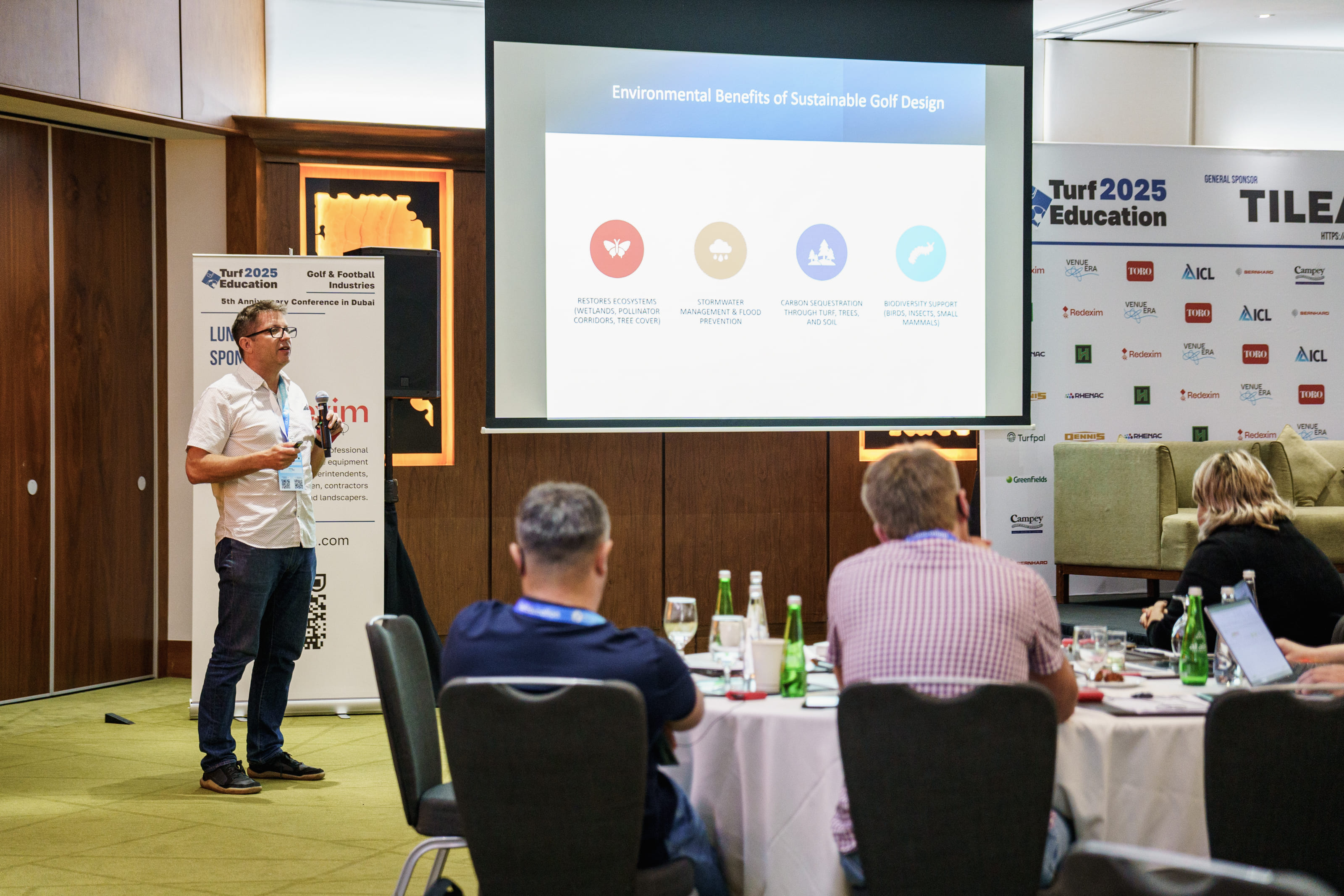
The programme then turned to design and sustainable development.
Peter Harradine of Harradine Golf Design presented an analytical overview of golf course design in the Gulf countries. In extreme climatic conditions, issues such as water consumption, the selection of grass mixtures, and landscape integration take on particular importance.
Andrew Campbell of Better Billy Bunker provided a detailed analysis of the causes of bunker degradation and modern methods of bunker reconstruction.
Horst Theisen of Rhenac GreenTec AG delivered a comprehensive presentation on turf regeneration under artificial conditions, including the management of lighting, temperature, moisture, and air circulation.
Ralph Teunissen of Greenfields presented future prospects for the development of synthetic turf systems, while Paul Wilcox of Bernhard emphasised the importance of proper equipment sharpening as a foundation for high-quality mowing.
John Goldwyn of Studio Wild 15 showcased real-world projects demonstrating that sustainable development can also generate economic returns.
Marek Strempek of TILEA presented solutions for inflatable sports domes, opening up new opportunities for year-round operation.
The second roundtable, “The Golf Course: Yesterday and Tomorrow,” provided a platform for discussing the transformation of course formats, changing consumer preferences, and the search for a balance between tradition and innovation.
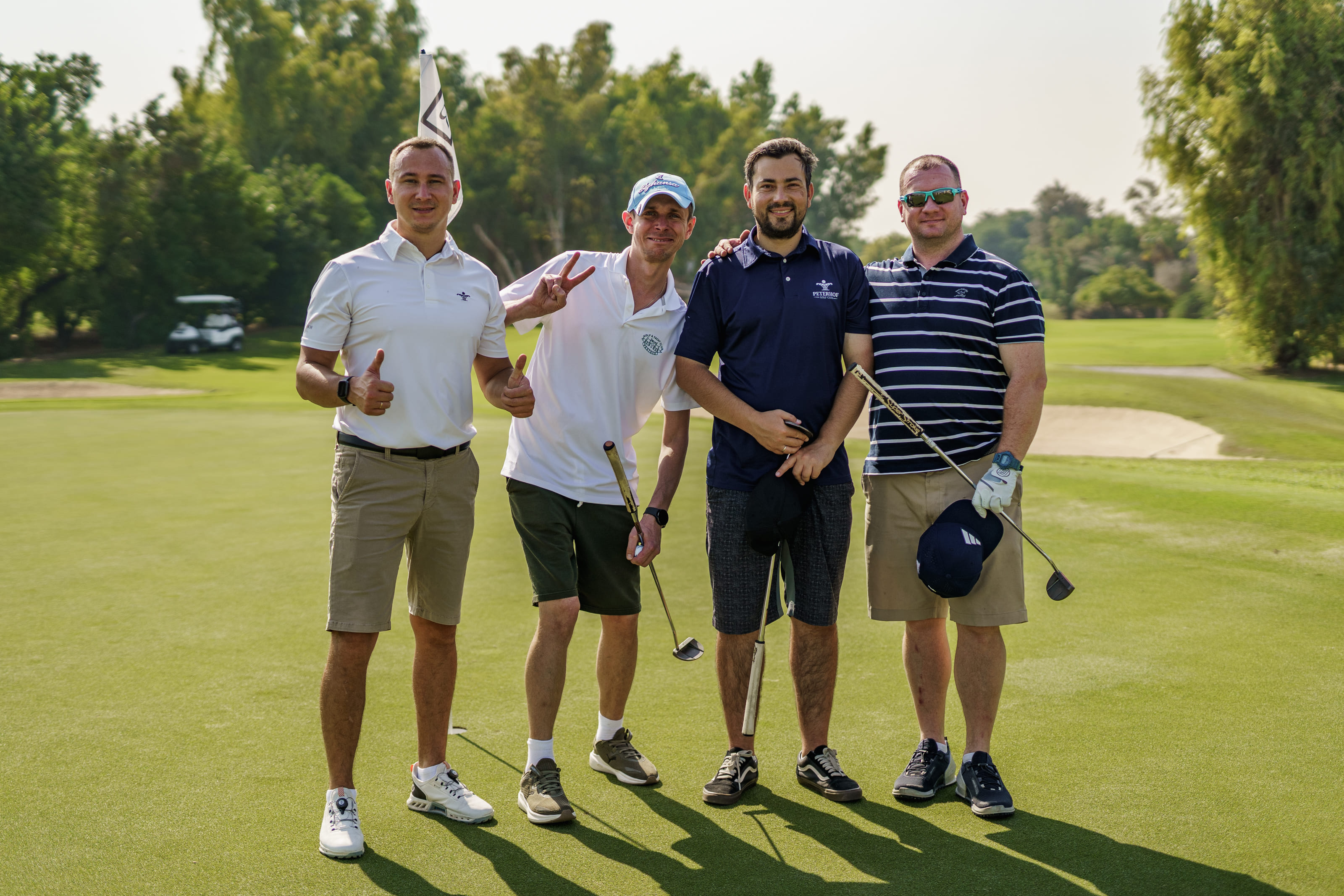
Sport as an Extension of Professional Dialogue
It is in an informal atmosphere that ideas for cooperation emerge, projects are discussed, and partnership ties are strengthened.
In the evening, a gala dinner was held, featuring awards for the most active participants. The atmosphere of the evening highlighted the value of international cooperation among professionals in golf, sports turf, and related infrastructure.
Informal Programme
The cruise around the Persian Gulf on November 15 became a symbolic conclusion to the business part of the programme. Communication outside the formal setting allowed participants to reflect on the outcomes and outline prospects for future cooperation.
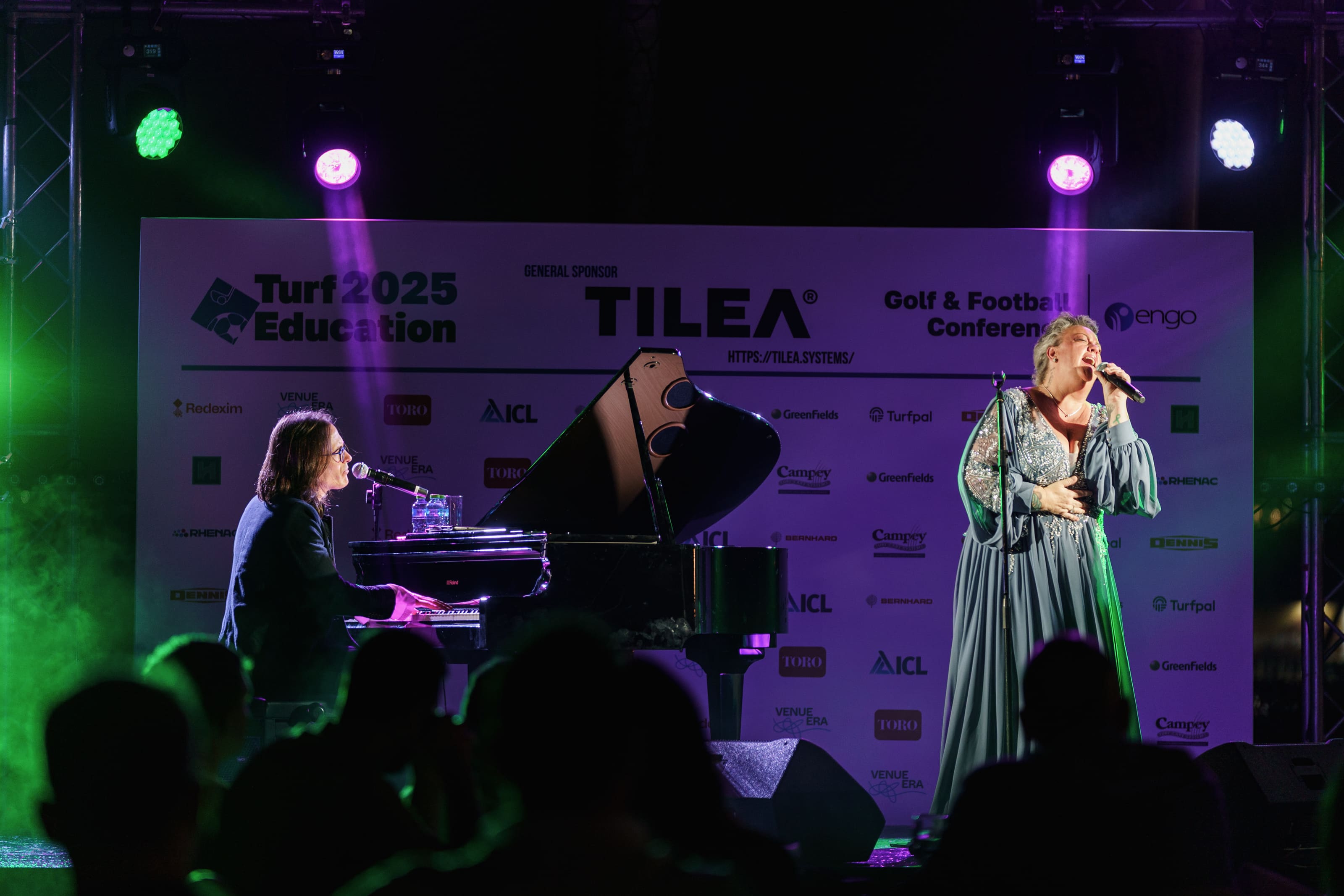
The final highlight was a concert by Kaz Hawkins at Palmito Garden Jebel Ali. The musical evening brought an emotional sense of closure to the conference and became a memorable finale to the anniversary week.
International Scale and Partner Support
General Sponsor: TILEA.
Business Partners: TORO, ICL, Bernhard, Greenfields.
Lunch Sponsor: Redexim.
Gala Dinner Sponsor: Venue Era.
Partners: Harradine Golf, Rhenac, Dennis, Campey, Turfpal.
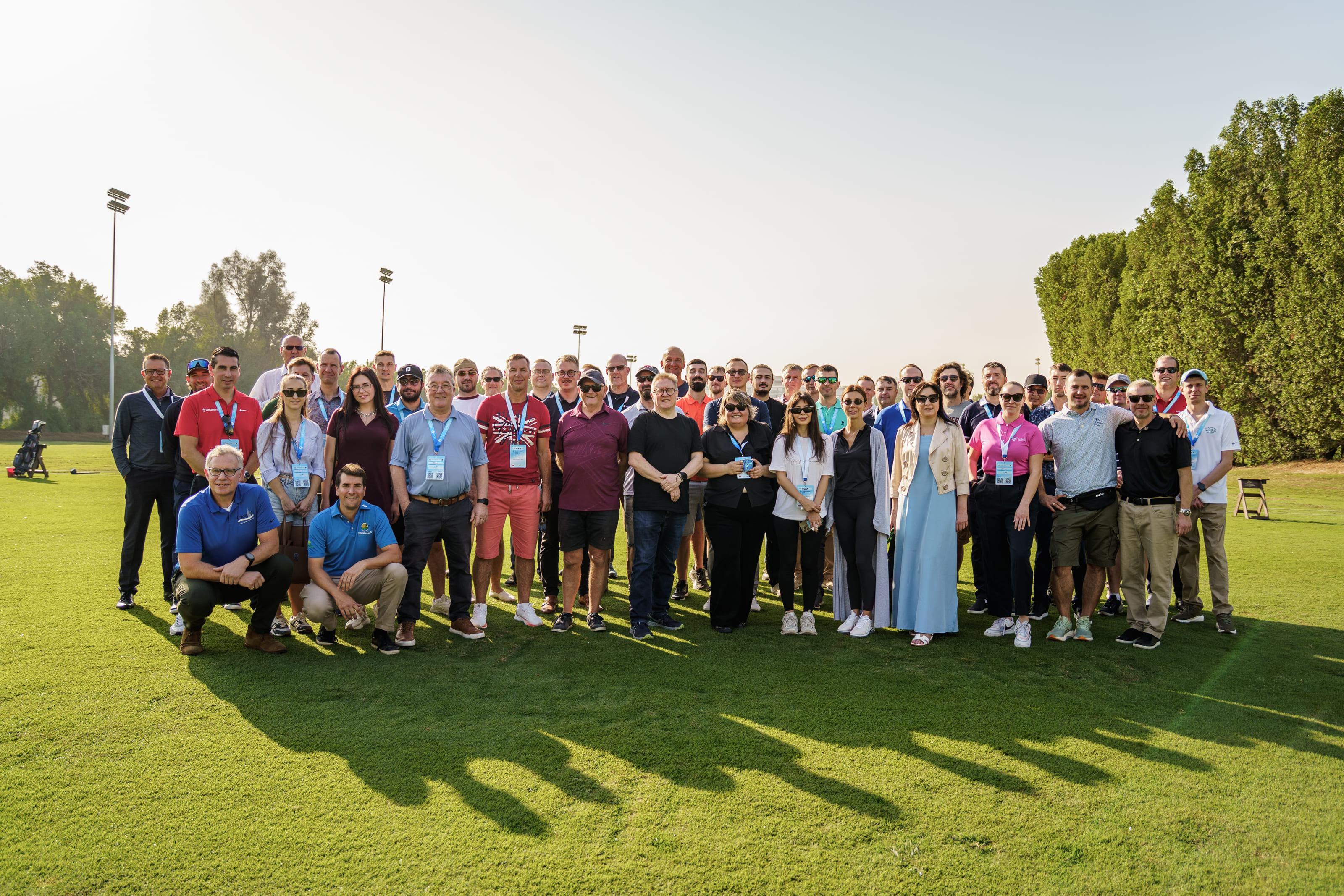
Bringing Professionals Together
TurfEducation 2025 in Dubai demonstrated that the future of sports infrastructure is shaped at the intersection of sustainability, economics, and human capital.
It was a week of knowledge, professional growth, and strategic dialogue — a week that confirmed that international cooperation remains the main driver of the industry’s development.
TurfEducation continues to unite professionals and shape the future agenda of the industry.
See you in 2026!
Report from TurfEducation 2025
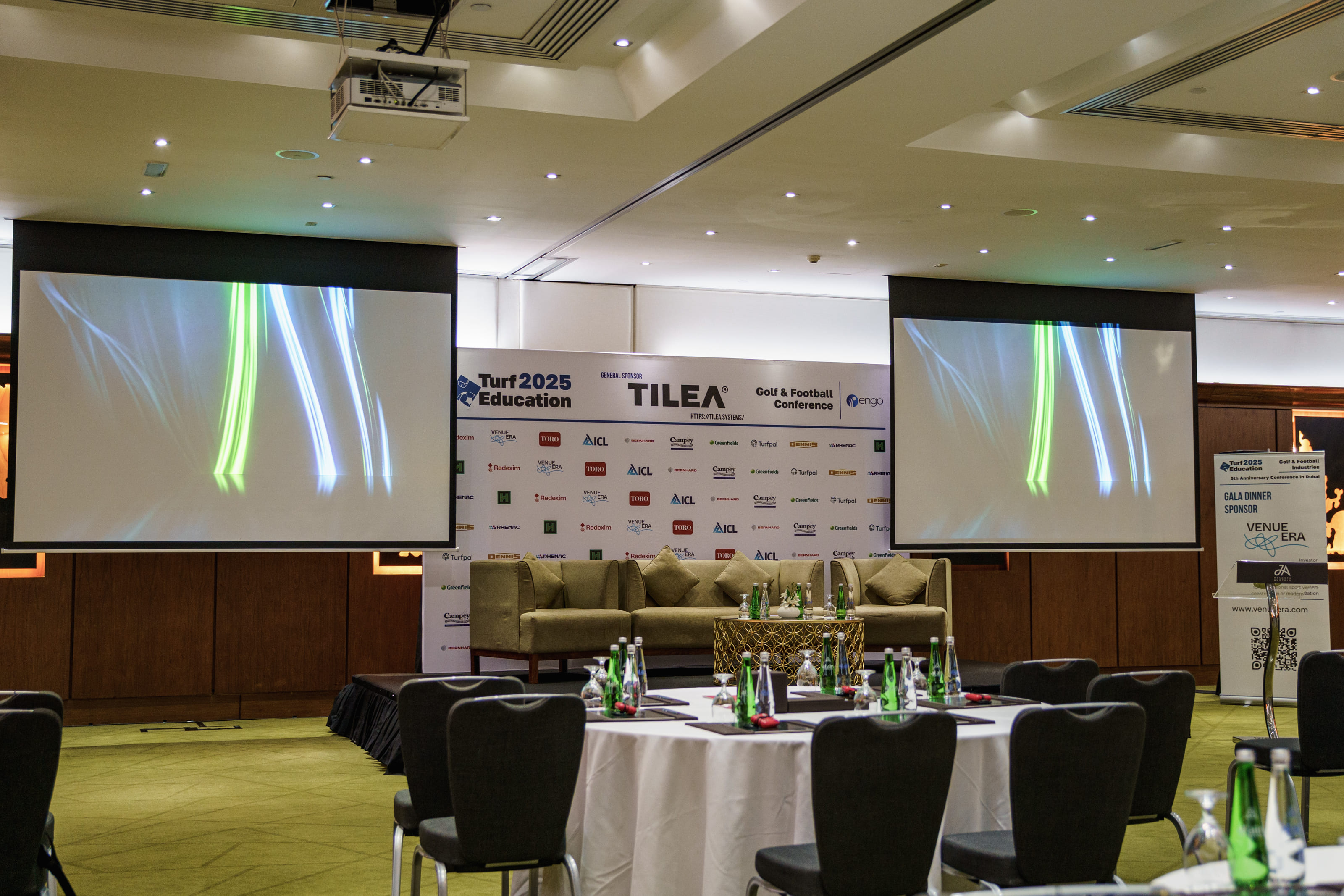
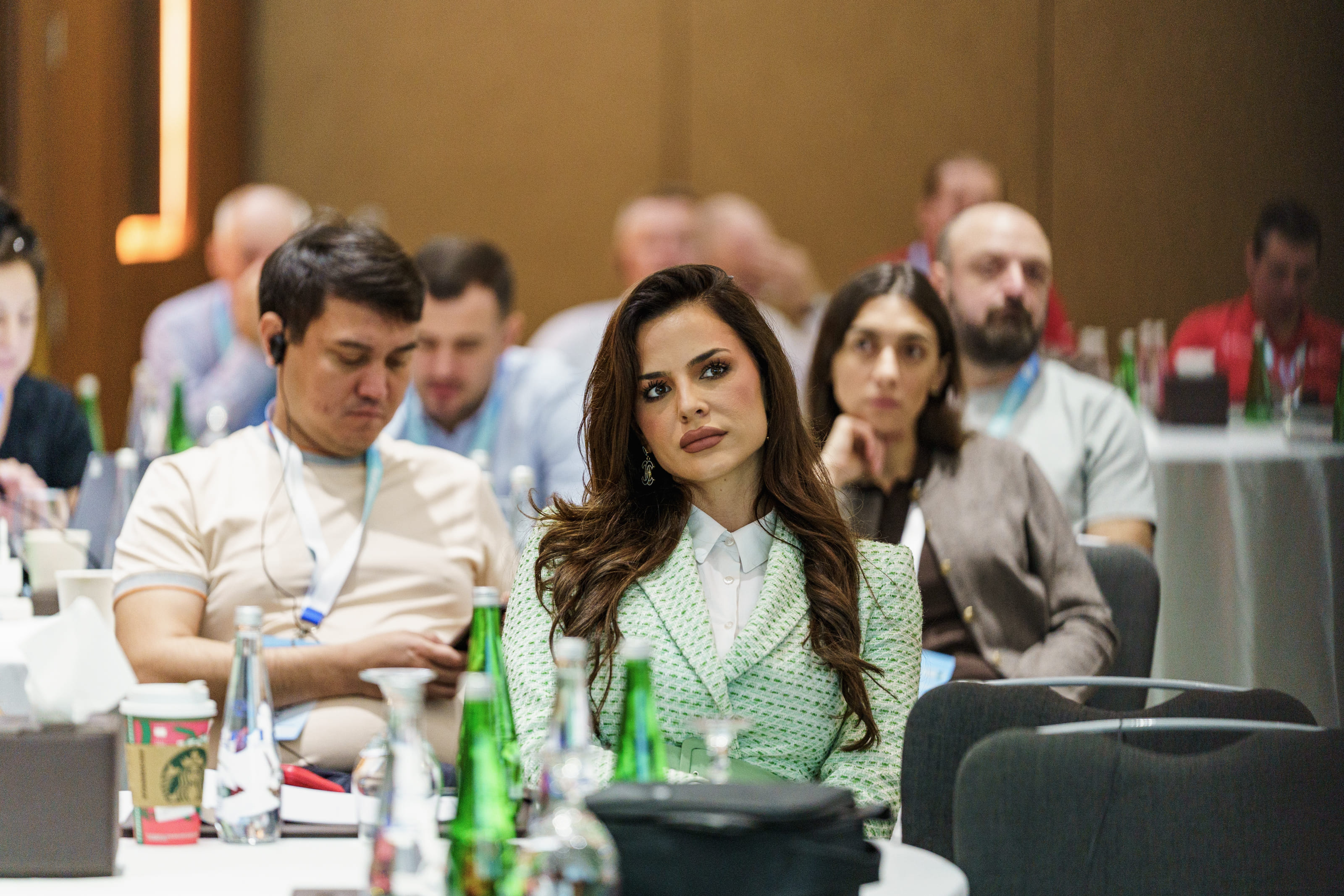
In a spacious conference hall
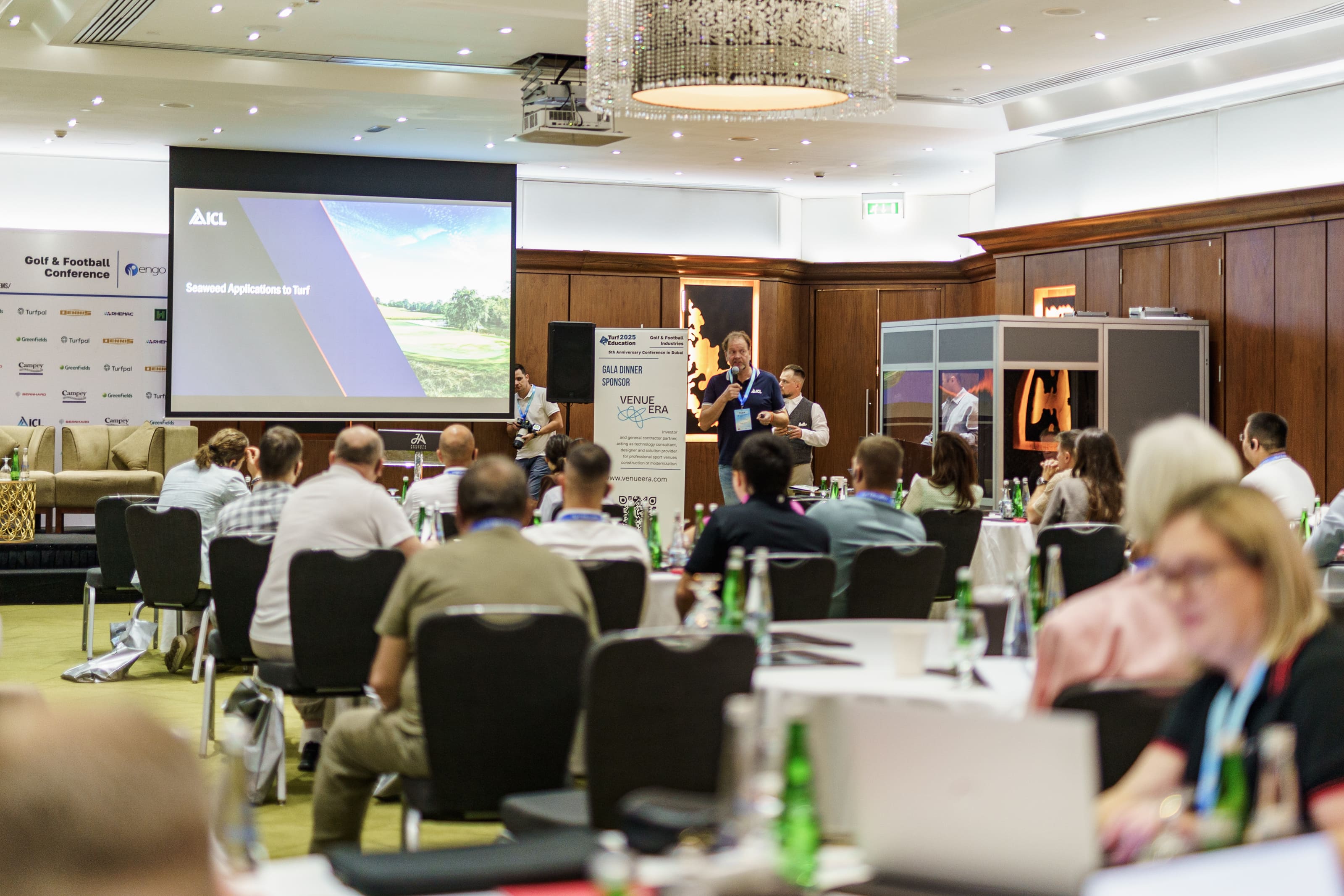
Engaging Presentations
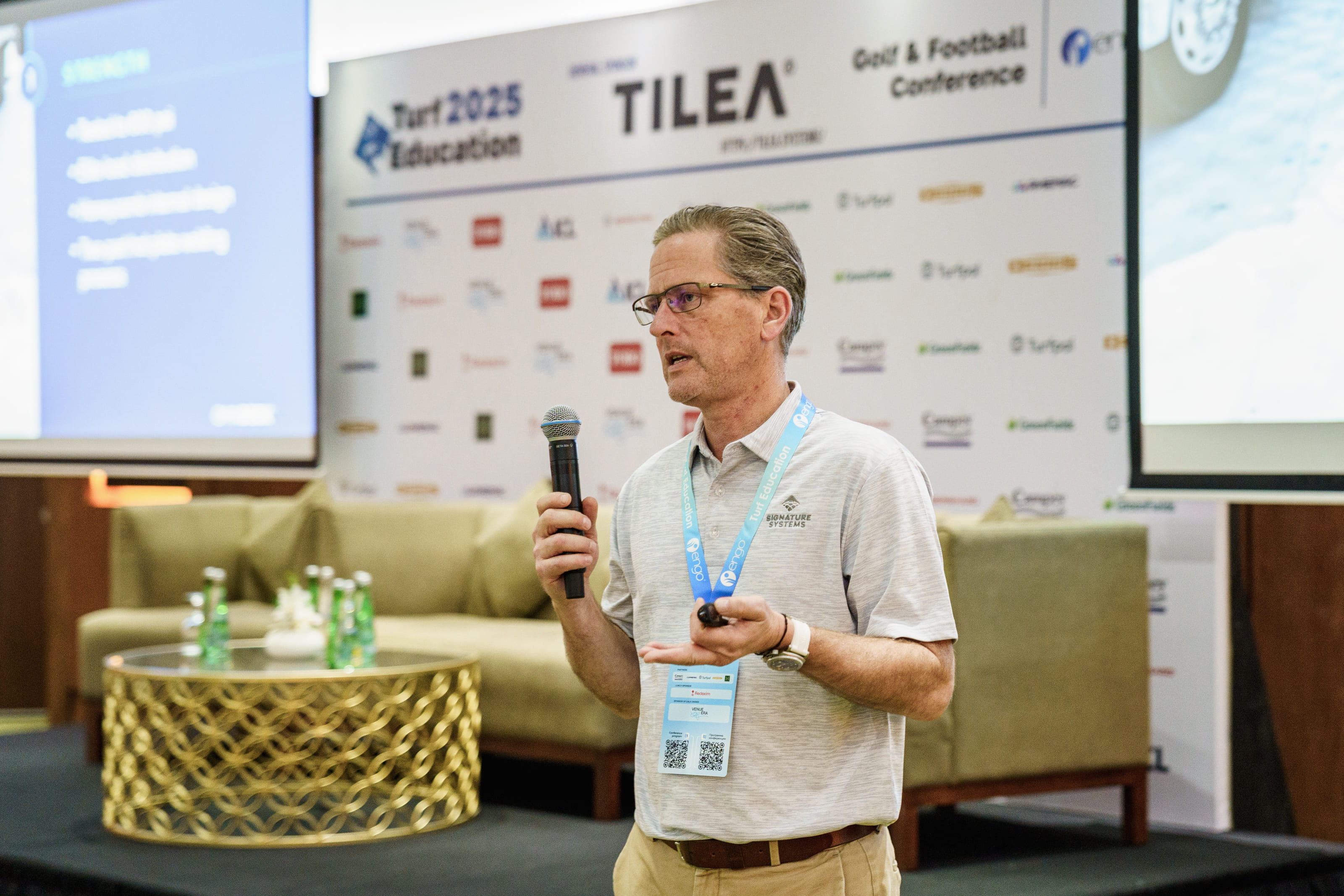
Featured Speakers
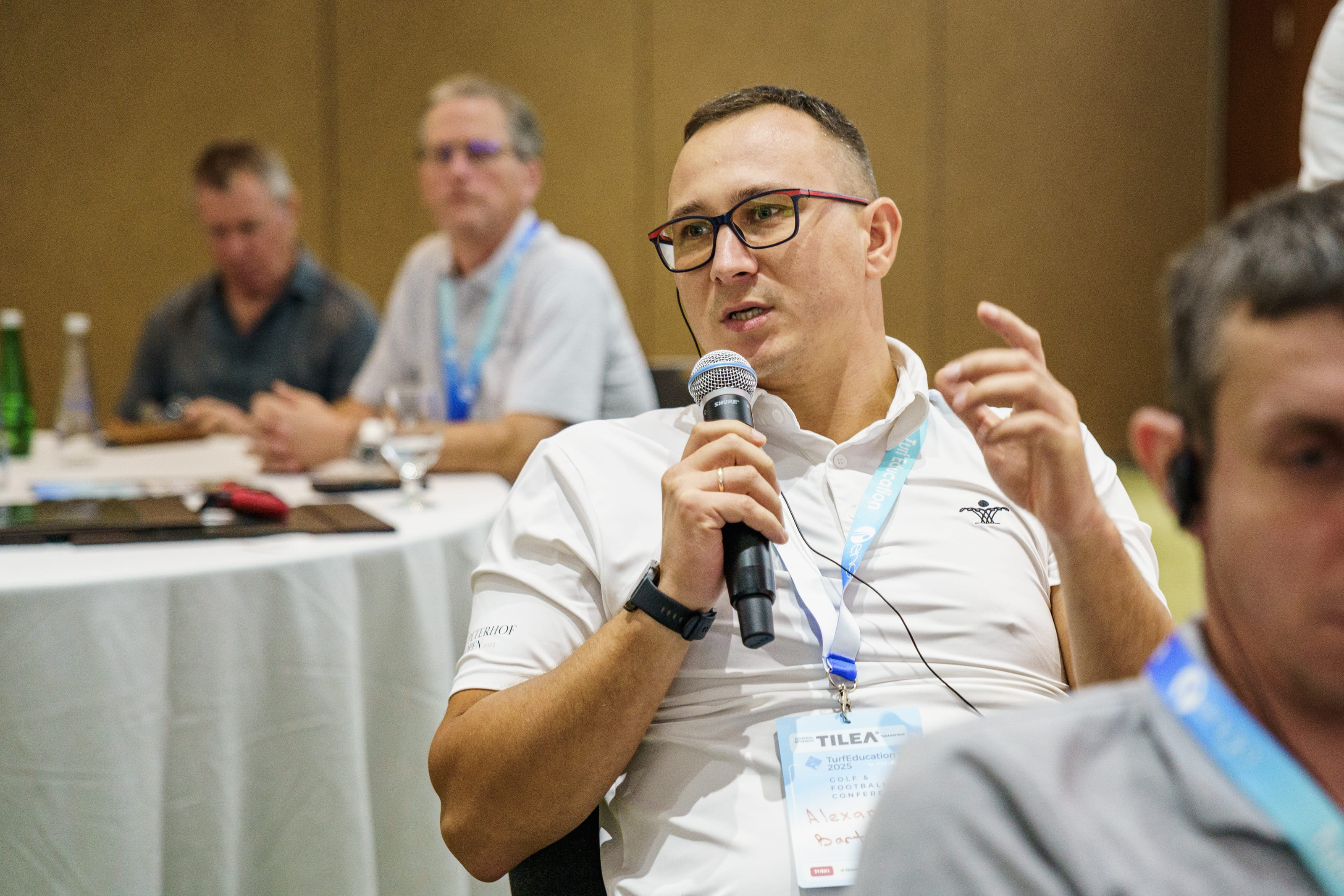
Interesting Questions
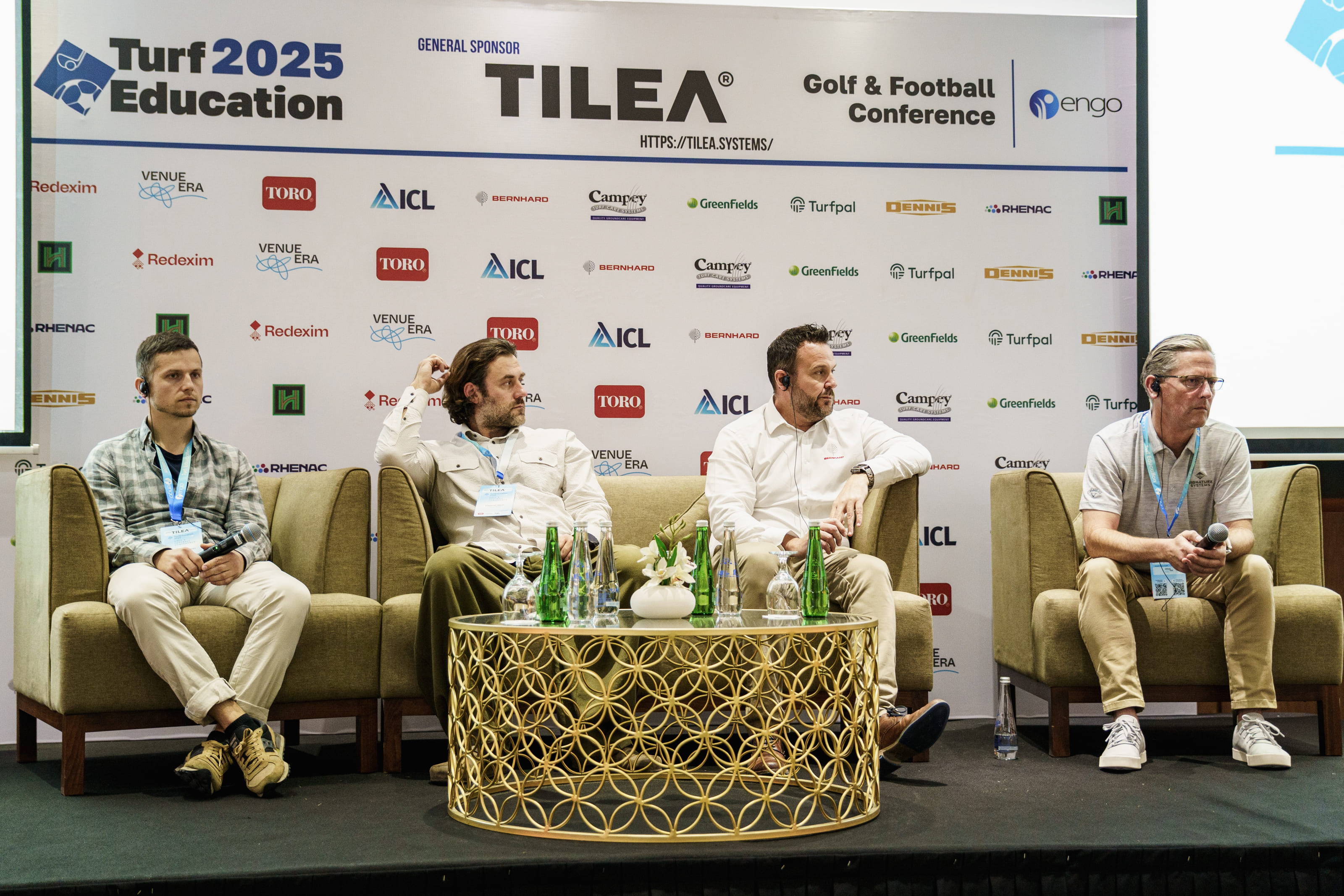
Topic-Based Discussions
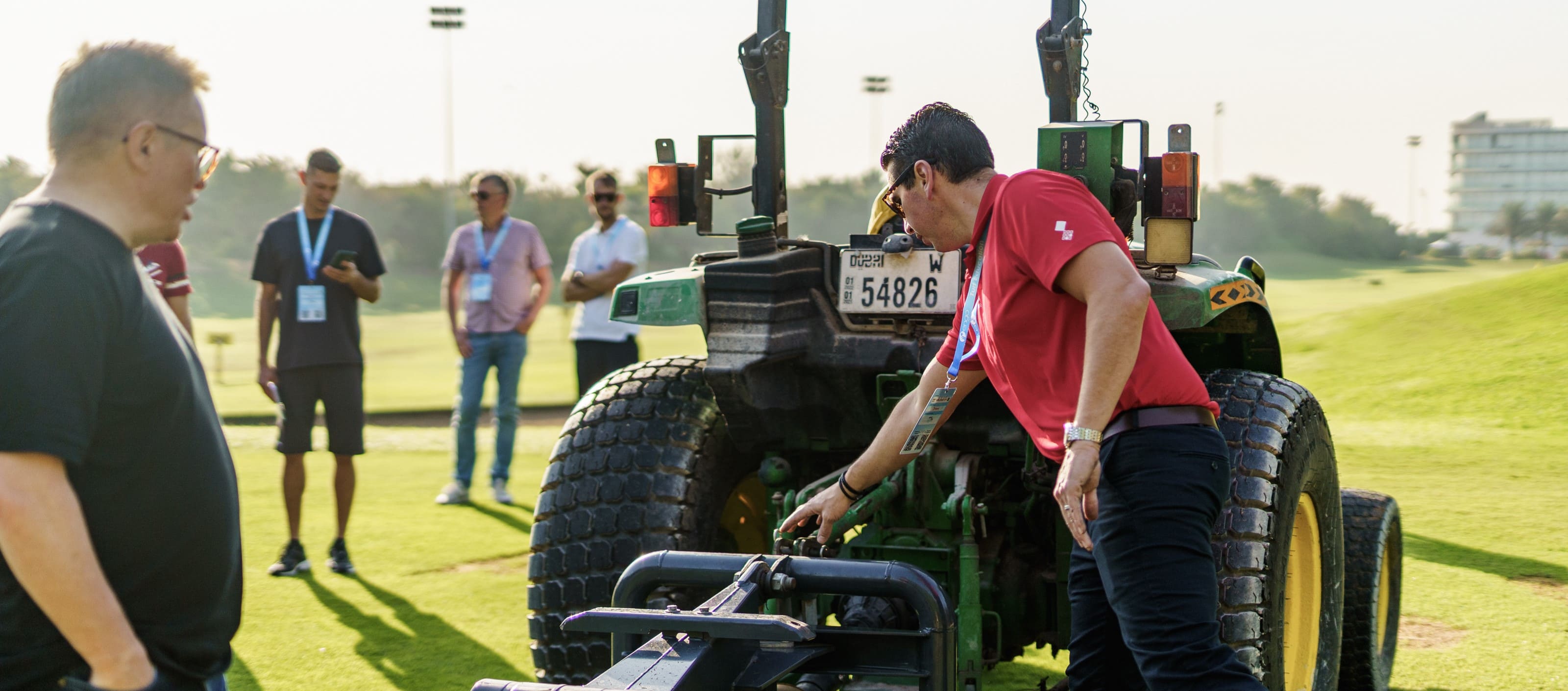
Machinery Demonstration
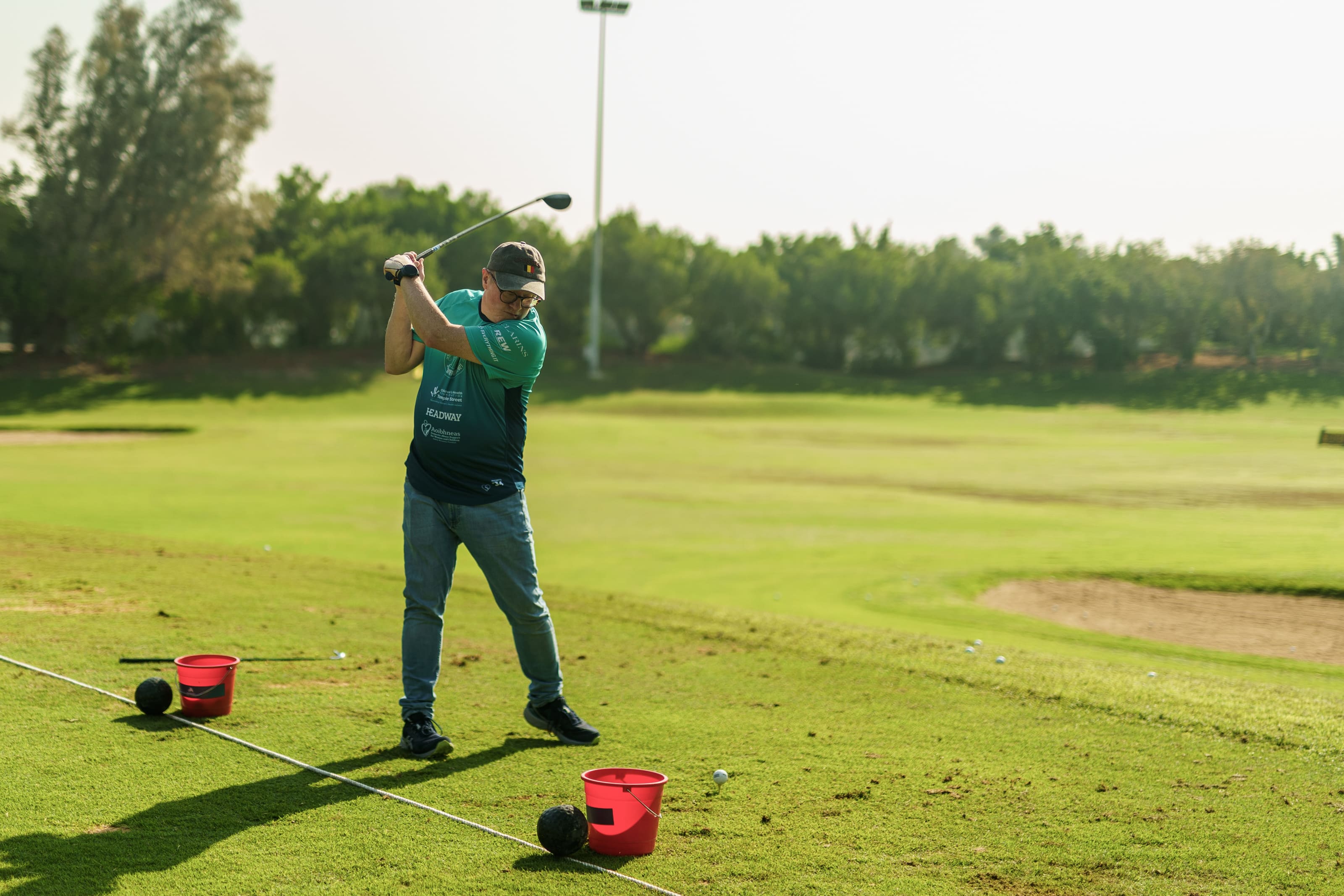
Masterclasses
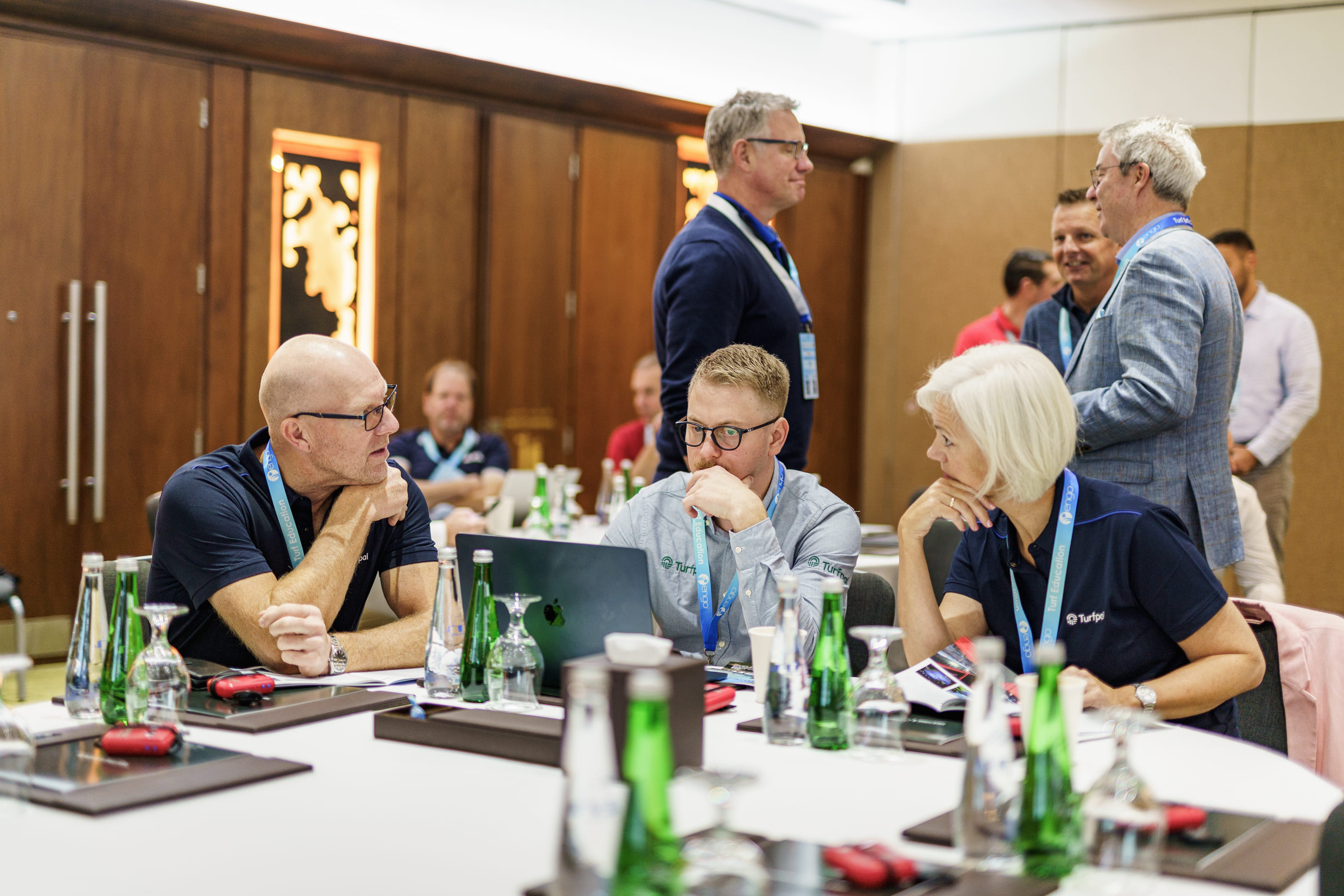
Networking
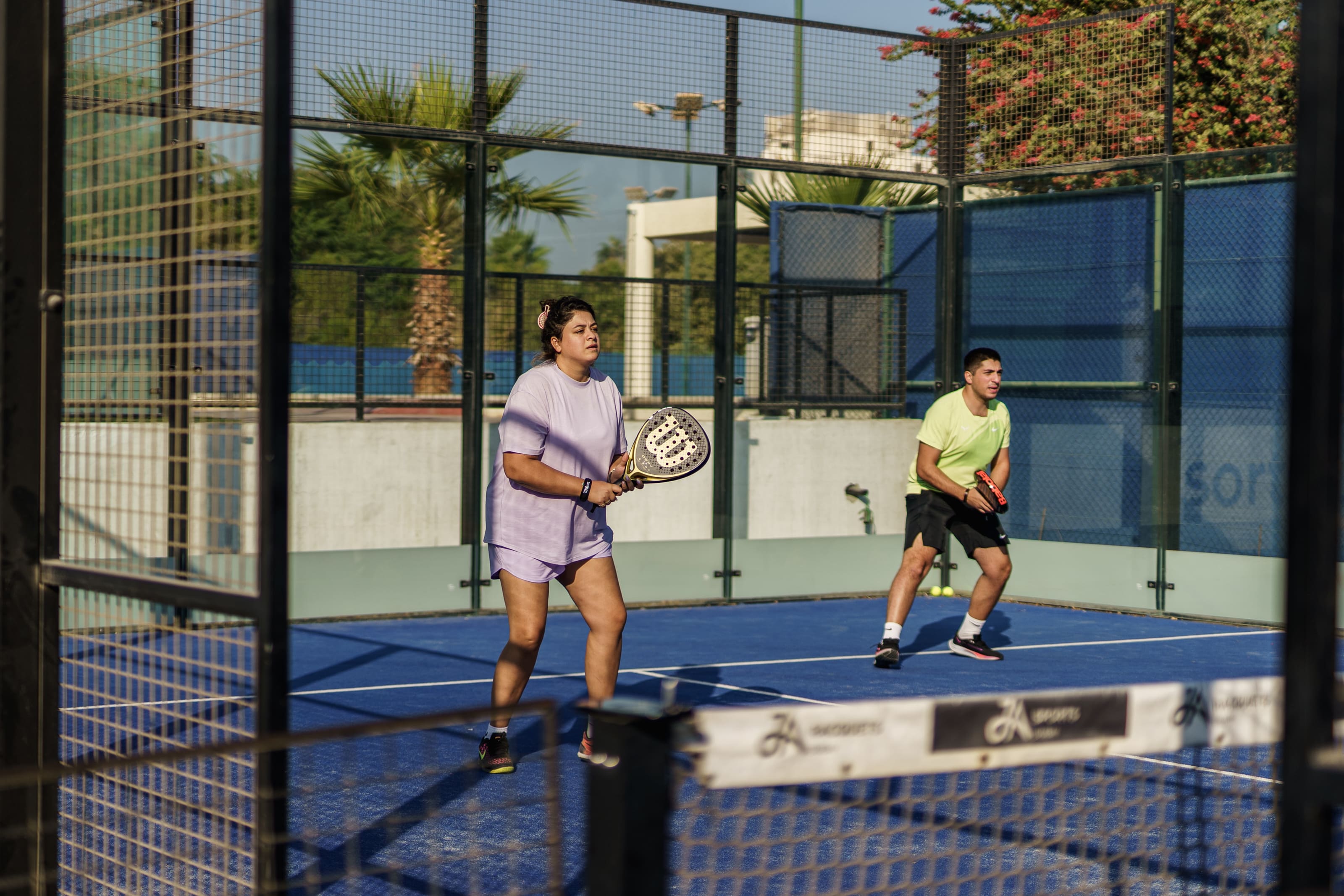
Friendly Tournaments